Choosing the right rug can transform an ordinary room into a more inviting and expressive space. Kilim rugs are especially appealing for homeowners who appreciate traditional craftsmanship, bold patterns, and a lighter flatwoven construction. Their distinctive appearance allows them to complement both heritage-inspired interiors and contemporary decorating styles.
Before choosing a Kilim rugs, it helps to understand its construction, materials, patterns, colors, sizing, placement, and care requirements.
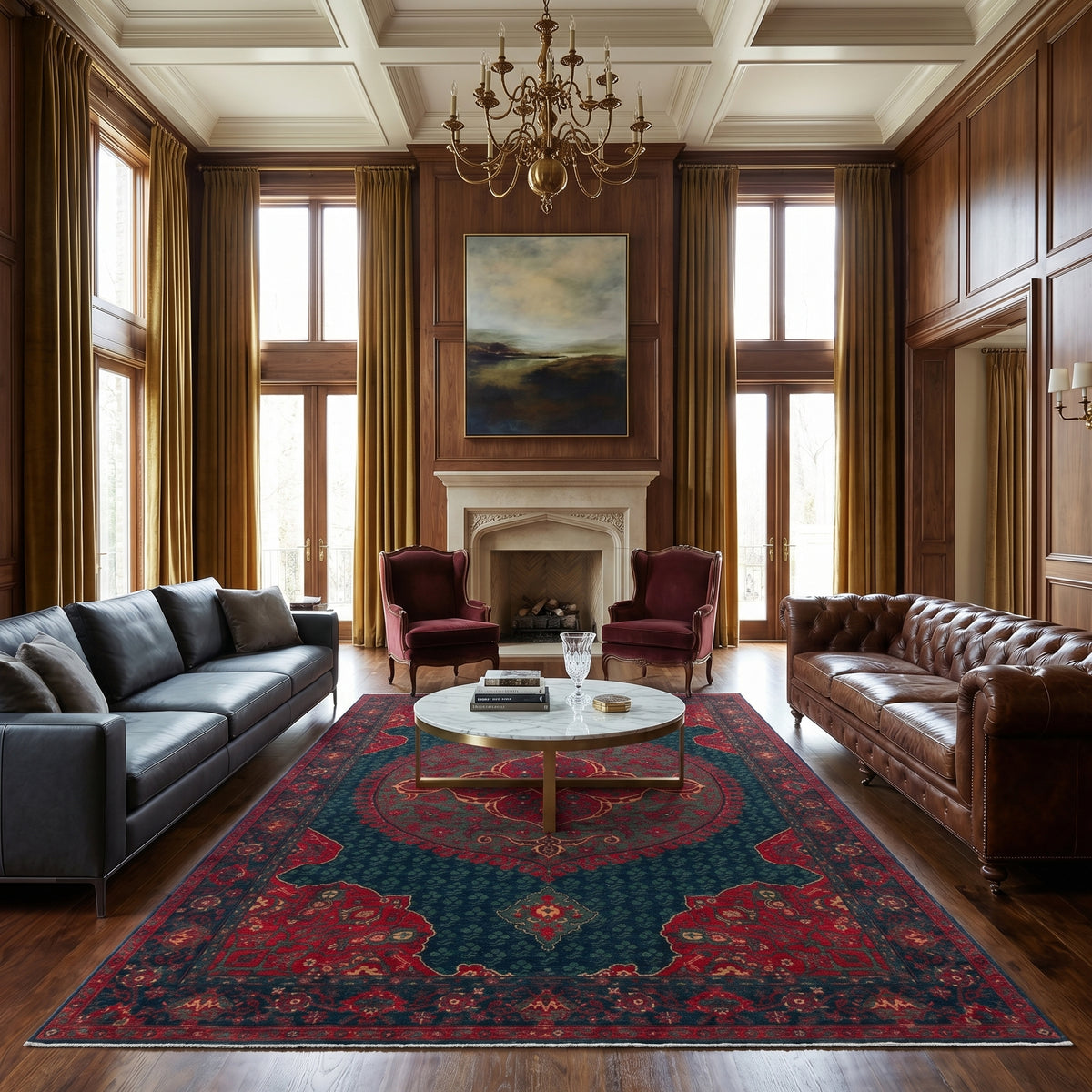
What Are Kilim Rugs?
Kilim rugs are traditionally made using a flatweaving technique rather than a raised pile. Artisans create patterns by interweaving colored yarns through the foundation, producing a relatively thin and reversible textile.
This construction gives Kilims their recognizable flat surface. It can also make them useful in spaces where a low-profile rug is preferred, including hallways, dining areas, bedrooms, and living rooms.
Traditional Kilims are associated with weaving traditions across several regions, with Turkey, Iran, the Caucasus, and surrounding areas producing distinctive variations.
The Unique Appeal of Kilim Craftsmanship
One of the most attractive qualities of a Kilim is its visual character. Traditional designs frequently feature geometric shapes, diamonds, stripes, angular borders, stylized flowers, and repeating symbols.
Because many traditional examples are handmade, subtle differences in weaving, color, and pattern can occur. These variations can contribute to the individuality of the finished piece.
A handmade Kilim can therefore provide more than floor coverage; it can introduce an element of textile artistry into a room.
Selecting the Right Kilim Size
Start by measuring the area where you plan to place the rug. Consider the surrounding furniture and the amount of floor you want to leave visible.
A larger Kilim can help define a living room seating arrangement, while a narrow runner can work beautifully in a hallway or entrance.
For dining rooms, make sure the Kilim provides enough space for chairs to remain on the rug when pulled away from the table. In bedrooms, consider whether you want full coverage beneath the bed or smaller pieces beside it.
Understanding Kilim Materials
Traditional Kilims are frequently made from wool, although other natural fibers and modern materials may also be used.
Wool is appreciated for its durability, texture, and ability to hold color effectively. The specific material influences how the rug feels, performs, and should be maintained.
Always check the material composition before purchasing, especially if the rug will be placed in a busy area.
Choosing Colors That Complement Your Home
Kilim rugs are known for expressive color combinations. Traditional designs may feature rich reds, earthy browns, deep blues, warm oranges, creams, and other natural-looking shades.
Contemporary Kilims can use softer neutral palettes, allowing them to blend easily with modern furniture.
A colorful Kilim can become the centerpiece of a neutral room. If your interior already contains bold colors, consider a more restrained design to maintain visual balance.
Finding the Right Pattern
Geometric patterns are a defining characteristic of many Kilim rugs. Diamonds, zigzags, stripes, medallions, and angular motifs can create a strong visual rhythm.
Choose the complexity of the pattern according to the room. A simple interior can accommodate an intricate Kilim, while a heavily decorated room may benefit from a less complicated design.
Also consider the size of the motifs. Large geometric shapes create a stronger statement, whereas smaller patterns can provide a more subtle decorative effect.
Kilim Rugs and Persian-Inspired Décor
Kilim rugs can complement Persian-inspired interiors because both styles often celebrate traditional textile craftsmanship and detailed decorative patterns.
A Kilim can also be layered with other rug styles to create an eclectic interior. Combining different textures and patterns works particularly well when they share complementary colors.
The flatwoven character of a Kilim can provide an appealing contrast against thicker rugs and upholstered furniture.
Using Kilims in Contemporary Interiors
Traditional craftsmanship does not mean a Kilim must look old-fashioned. Its geometric structure can work remarkably well with modern interiors.
Place a bold Kilim beneath a simple coffee table, neutral sofa, or minimalist dining set to create contrast. Alternatively, choose a muted Kilim when you want texture without a dominant focal point.
This combination of traditional weaving and modern furniture can create a distinctive and balanced room.
Kilim Rugs for High-Traffic Spaces
The low-profile construction of Kilims can make them practical for various active areas. Entryways, hallways, kitchens, and living rooms can all benefit from their relatively flat surface.
However, not every Kilim has the same durability. Fiber quality, weave density, construction, and overall condition should be considered before placing one in a heavily used area.
A suitable rug pad can help improve stability and reduce unnecessary movement.
Caring for a Kilim Rug
Regular maintenance is important for preserving a Kilim's appearance. Vacuum gently to remove dust and loose debris, avoiding excessive pressure that could affect the fibers.
Rotate the rug periodically to distribute wear. Keep it away from prolonged direct sunlight whenever possible to reduce fading.
For spills, respond promptly with a cleaning method appropriate for the material. Antique, delicate, or valuable Kilims should be professionally assessed before deep cleaning.
How to Evaluate a Kilim Before Buying
A careful inspection can help you make a more confident purchase. Examine the front and back for signs of wear, loose threads, repairs, stains, or structural problems.
If the rug is described as handmade or antique, ask about its origin, materials, approximate age, construction technique, and condition.
For older pieces, restoration history can also be important. Understanding the rug's background can help you evaluate its suitability and potential value.
Kilim Rug Buying Checklist
Before purchasing, consider:
- Size: Measure the intended area and furniture arrangement.
- Material: Check the fiber composition and suitability for the room.
- Construction: Confirm that the rug's flatwoven structure meets your needs.
- Pattern: Choose a design that complements your décor.
- Color: Consider existing furniture, flooring, and accessories.
- Condition: Inspect for damage, repairs, and excessive wear.
- Traffic: Select a construction appropriate for daily use.
- Maintenance: Understand cleaning and care requirements.
- Stability: Consider using a suitable rug pad.
Conclusion
Kilim rugs combine traditional flatweaving, distinctive geometric patterns, expressive colors, and artisan character. Their relatively low-profile construction makes them versatile enough for many areas of the home, while their decorative qualities allow them to become striking focal points.
Whether you are decorating a traditional room or adding contrast to a contemporary interior, consider the Kilim's size, material, construction, pattern, color, condition, and placement. With thoughtful selection and proper care, a Kilim rug can bring warmth, texture, and timeless character to your home.